QR Codes on Product Packaging: Engaging Consumers Beyond the Shelf
Transform product packaging into an interactive experience. Learn strategies for using QR codes to provide information, build loyalty, and drive engagement.

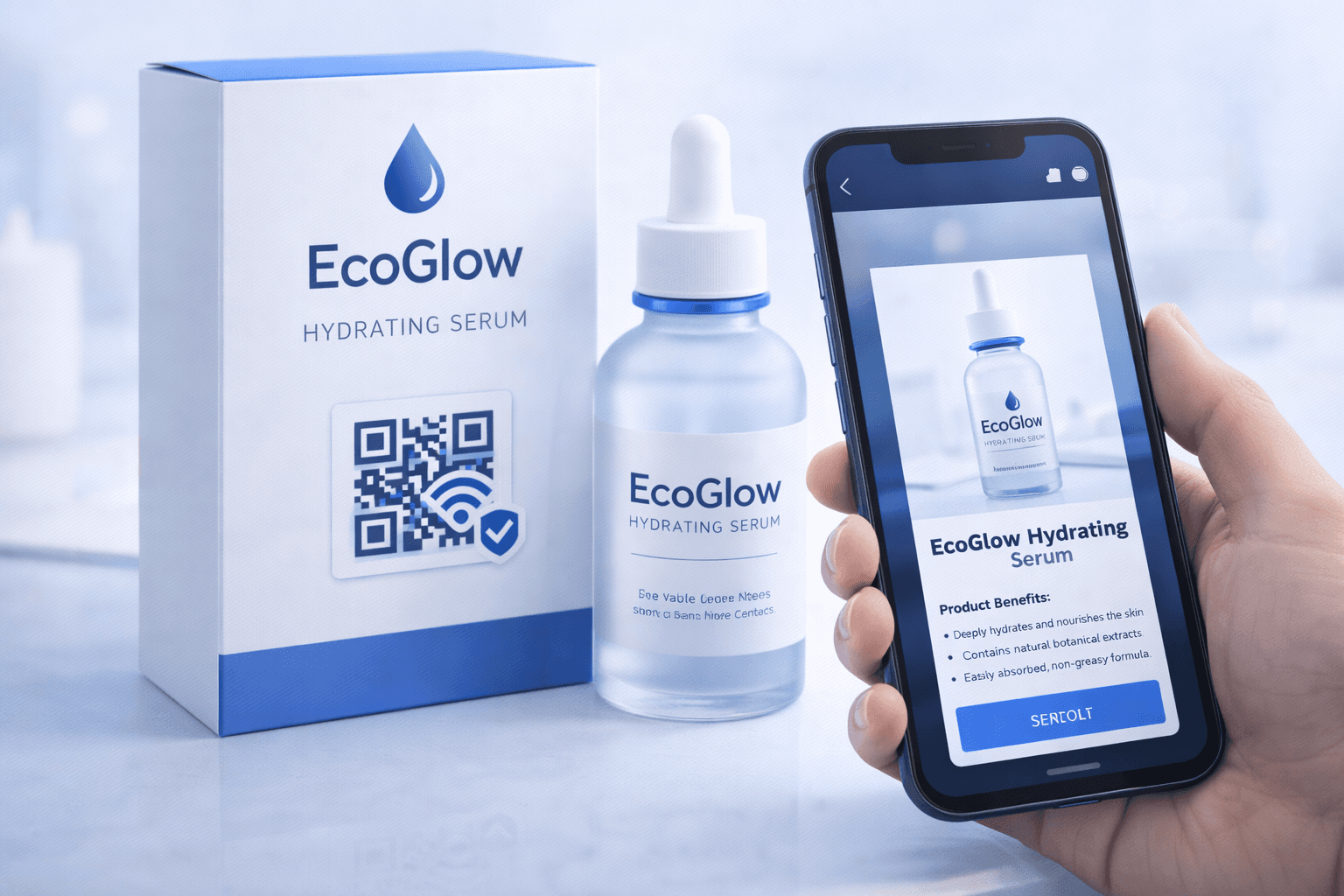
Product packaging is prime real estate, but space is limited. QR codes expand this space infinitely, connecting physical products to unlimited digital content. 43% of consumers already use QR codes to access product information.
From ingredient transparency to AR experiences, this guide covers how brands are using QR codes on packaging to inform, engage, and delight consumers.
Why QR Codes on Packaging Matter
Consumer expectations have evolved:
The transparency demand: 94% of consumers say transparency about ingredients and manufacturing is important. Physical packaging can't hold all this information, but QR codes can deliver it.
The engagement opportunity: Products sit in homes for days, weeks, or months. Each interaction is a chance to deepen brand relationship—if you provide a reason to engage.
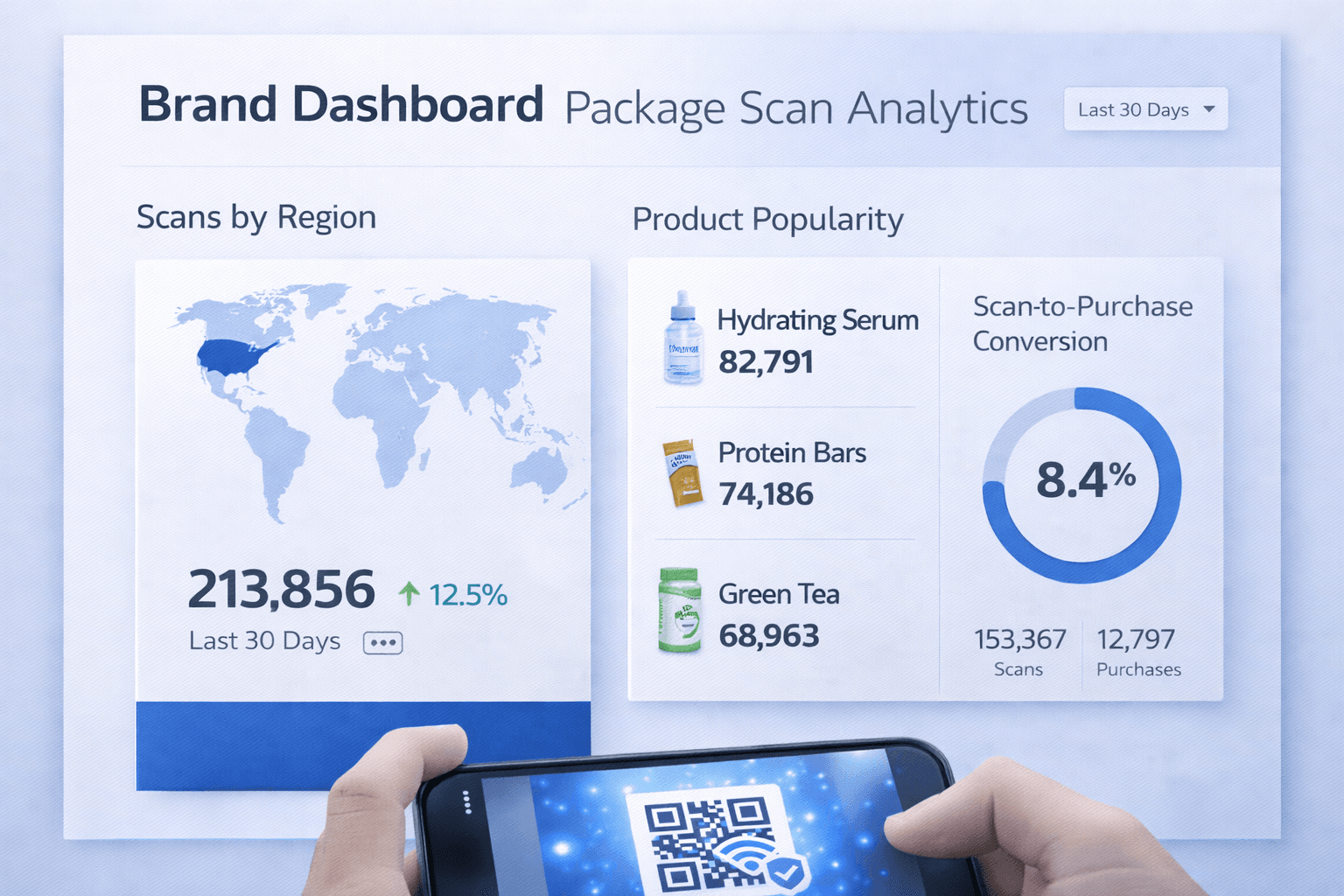
The data advantage: Unlike traditional packaging, QR codes provide feedback. Know when and where consumers engage, what information they seek, and how to improve.
Business benefits: - Extended brand touchpoint beyond purchase - First-party data collection opportunity - Reduced packaging complexity (less printed text needed) - Easy content updates without packaging redesign - Counterfeit protection potential

Transparency and Product Information
Give consumers the details they want:
Ingredient deep-dives: - Full ingredient list with explanations - Sourcing information for each component - Allergen details and cross-contamination info - Nutritional calculator for portion sizes
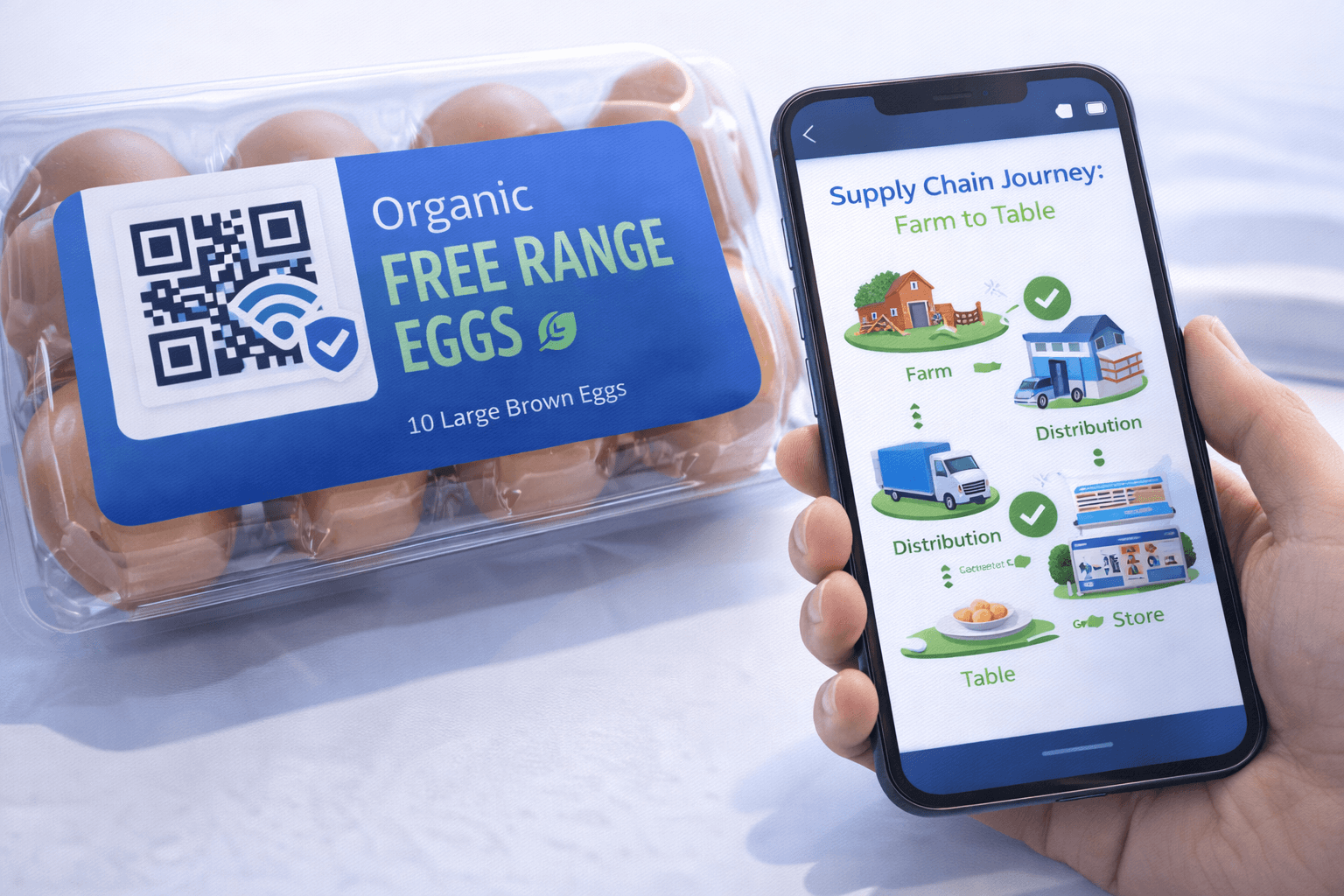
Supply chain transparency: - Farm/factory origin information - Processing and handling details - Quality certifications and testing results - Environmental impact metrics
Manufacturing information: - Production date and batch number - Facility information - Quality control processes - Storage and handling recommendations
Example: Food product A granola brand's QR code reveals: - Where oats were grown - Honey supplier's location - Environmental certifications - Complete nutritional breakdown - Recipe suggestions using the product
Interactive Experiences
Transform products into entertainment:
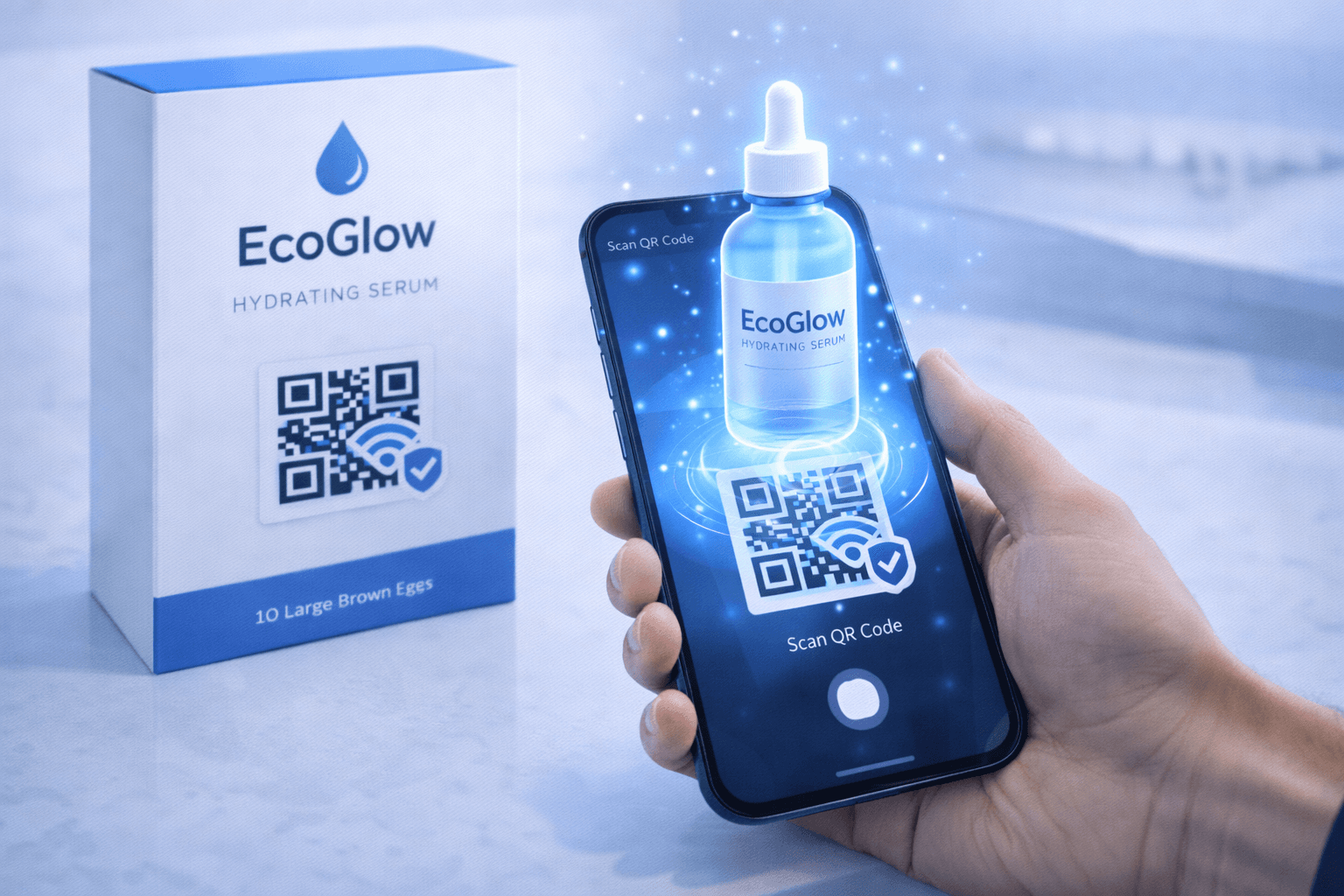
Augmented Reality (AR): - Product demonstrations - Virtual try-before-you-buy - Interactive games and filters - Animated brand mascots
Video content: - Product usage tutorials - Behind-the-scenes footage - Creator/founder stories - Customer testimonials
Gamification: - Scavenger hunts across product lines - Points collection for loyalty programs - Instant win sweepstakes - Challenges and achievements
Real examples: - Pizza Hut's Pac-Man game on boxes - Wine labels linking to vineyard virtual tours - Cereal boxes with AR adventures for kids - Beauty products with tutorial videos
Loyalty and Repeat Purchase
Drive customers back for more:
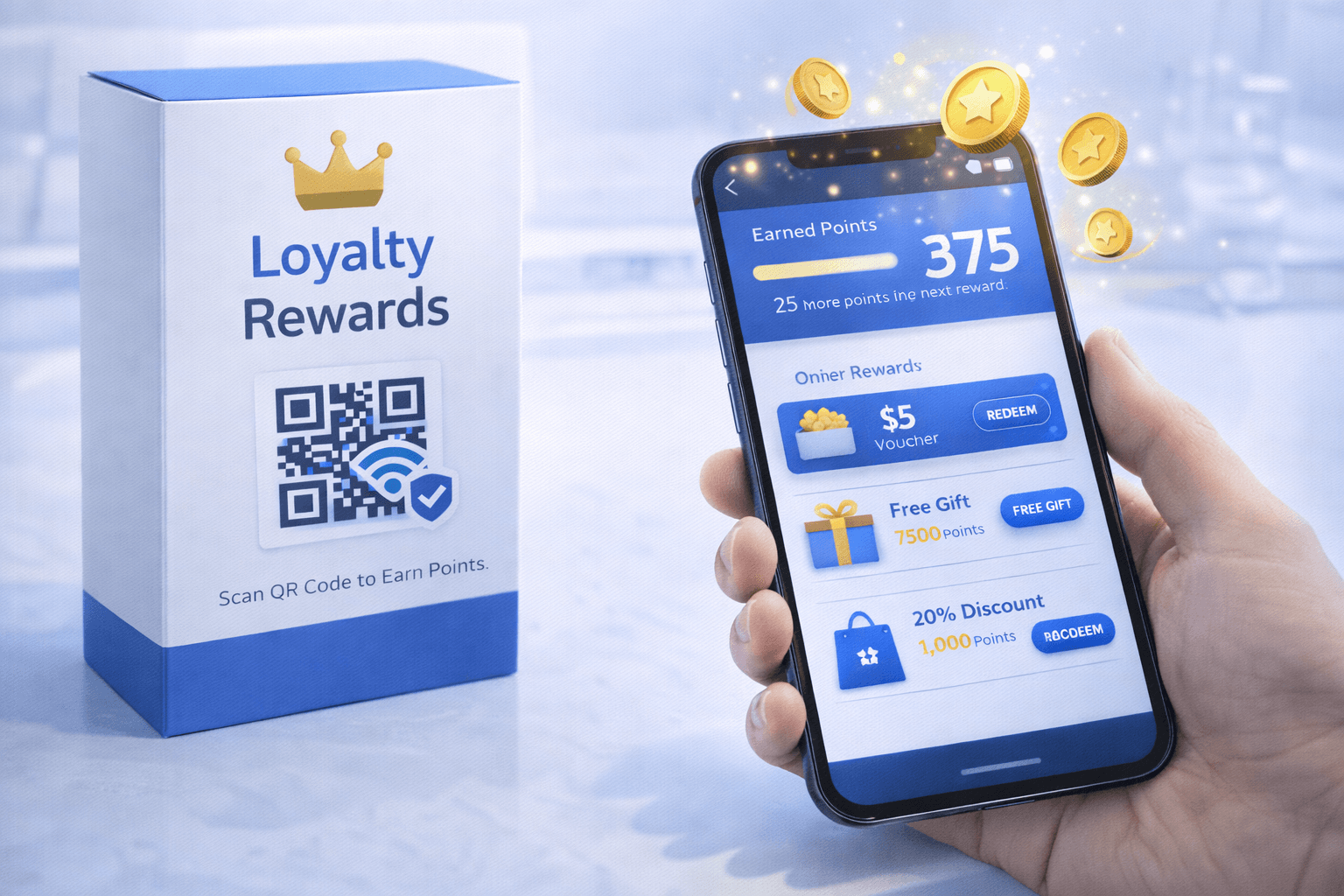
Loyalty program integration: - Scan to earn points per purchase - Unlock rewards and discounts - Progress toward status tiers - Exclusive member content
Subscription conversion: - One-scan subscribe option - Auto-replenishment setup - Subscriber-only benefits - Easy reorder at optimal timing
Referral programs: - Shareable codes for friends - Rewards for successful referrals - Viral marketing enablement - Track referral success
Feedback loop: - Post-consumption surveys - Product rating collection - Review generation requests - Direct customer support access
Pro Tip
Scan-to-earn loyalty programs see highest engagement when points are immediately visible after scanning. Show the reward right away.
Safety and Authentication
Protect consumers and your brand:
Anti-counterfeiting: - Unique QR codes per unit - Verification database checking - Consumer confidence in authenticity - Track gray market diversion
Recall management: - Link to recall information by batch - Direct communication with affected consumers - Provide return/replacement instructions - Track recall awareness and compliance
Usage instructions: - Detailed safety guidelines - Proper usage demonstrations - Storage requirements - Expiration information
Regulatory compliance: - Link to required disclosures - Multi-language requirements - Accessibility compliance - Update regulations without reprint
Important
For safety-critical products, ensure QR code destinations are always accessible. Have redundancy in place and monitor uptime closely.
Implementation Best Practices
Execute effectively:
Code placement: - High visibility location - Not obscured by typical handling - Adequate size (minimum 2cm x 2cm) - Sufficient contrast with packaging
Clear value proposition: Tell consumers WHY they should scan: - "Scan for rewards" - "Learn our story" - "Get cooking ideas" - "Verify authenticity"
Vague CTAs like "Scan me" underperform.
Mobile optimization: - Sub-3 second load time - Mobile-first design - Easy navigation - Clear next actions
Dynamic codes: Always use dynamic QR codes for packaging because: - Products may be on shelves for months - Content needs updating without reprint - Analytics enable optimization - Mistakes can be corrected
- Test codes on actual packaging materials
- Consider scanning in retail environments (lighting, angles)
- Include brief scanning instructions for unfamiliar users
- Ensure landing pages work offline or cache gracefully
- Monitor analytics for continuous improvement
- Have customer support ready for QR-related questions
Measuring Success
Track what matters:
Engagement metrics: - Scan rate (scans per unit sold) - Unique vs. repeat scanners - Time spent on content - Pages/sections viewed
Conversion metrics: - Loyalty program signups - Subscription conversions - Referral program participation - Review submissions
Behavioral insights: - Geographic distribution - Peak scanning times - Device preferences - Most popular content
Business impact: - Repeat purchase rate lift - Customer lifetime value change - NPS/satisfaction correlation - Support ticket reduction
Optimization cycle: 1. Launch with hypothesis 2. Collect data for 4-6 weeks 3. Analyze patterns and outliers 4. Develop improvements 5. A/B test changes 6. Roll out winners 7. Repeat
Industry-Specific Applications
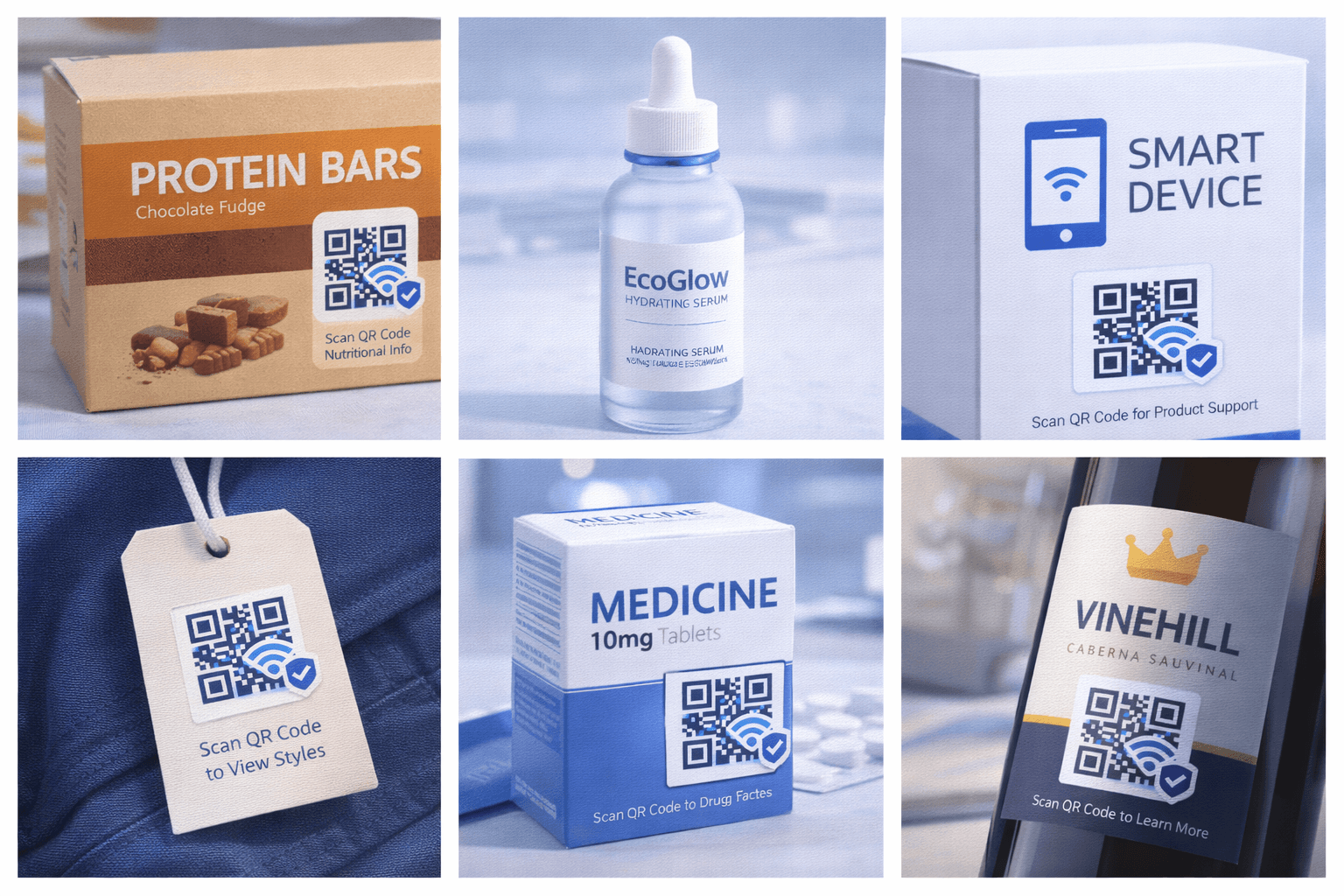
Different categories, different opportunities:
Food & Beverage: - Nutritional information and calculators - Recipe suggestions and meal planning - Allergen and dietary filters - Farm-to-table traceability
Beauty & Personal Care: - Tutorial videos and how-to guides - Ingredient benefits and sourcing - Shade matching tools - Routine builders
Pharmaceuticals & Health: - Dosage instructions and reminders - Drug interaction checkers - Refill ordering - Patient assistance programs
Consumer Electronics: - Setup tutorials - Troubleshooting guides - Warranty registration - Firmware updates
Fashion & Apparel: - Care instructions - Styling suggestions - Sustainability certifications - Repair and alteration guides
Conclusion
QR codes on packaging represent a massive opportunity to extend brand relationships beyond the point of purchase. They deliver the information consumers demand, create engaging experiences, build loyalty, and provide valuable data.
Start with clear consumer value—what problem are you solving or what delight are you providing? Then execute with technical excellence: proper sizing, dynamic codes, mobile-optimized destinations, and robust analytics.
The brands that master packaging QR codes create deeper customer connections, differentiate from competitors, and gather insights that inform future product development. The packaging is no longer the end of the journey—it's a portal to ongoing engagement.
Ready to Create Your Own QR Codes?
Start creating dynamic QR codes for your business today. Track analytics, update content anytime, and never reprint again.
Related Articles
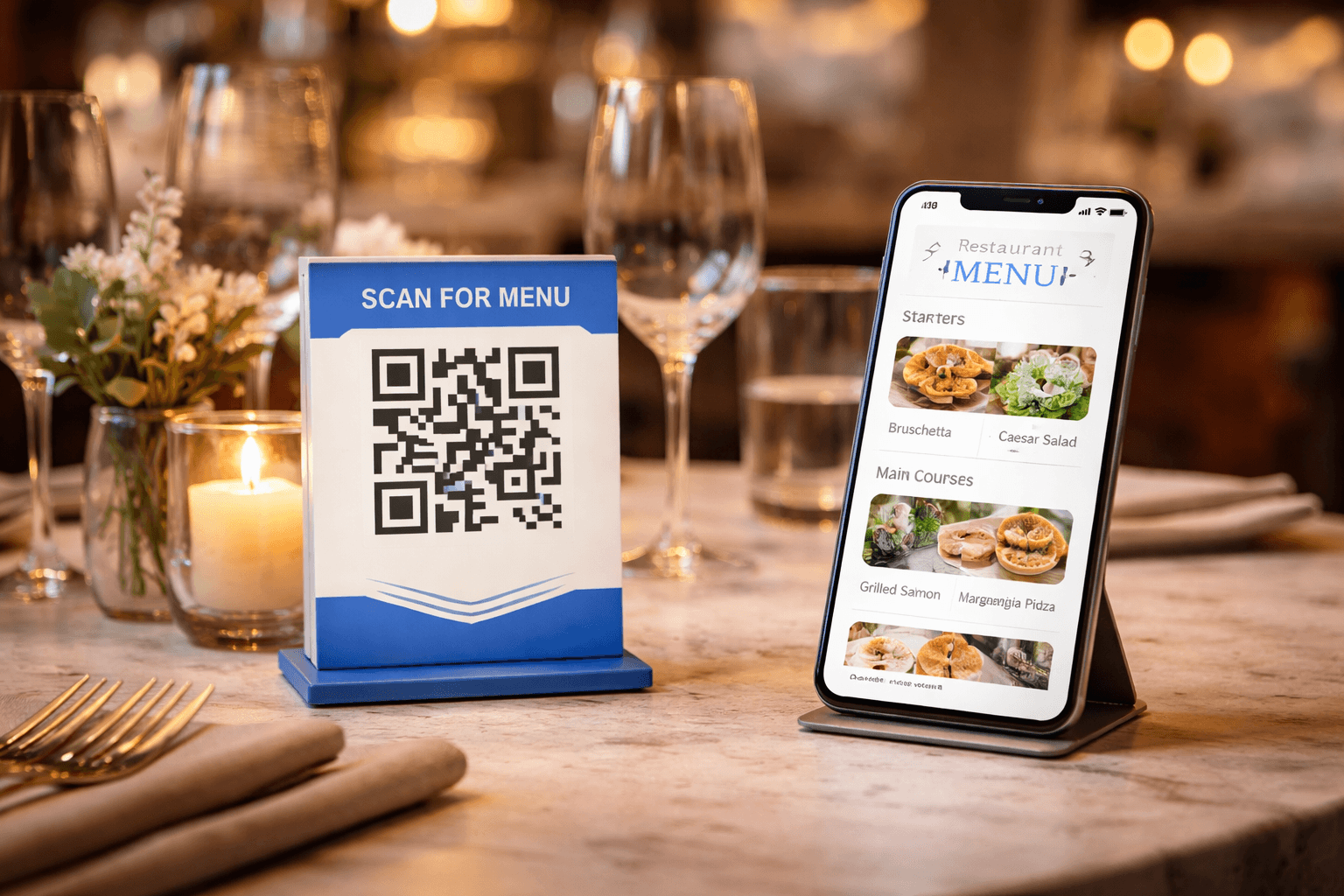
QR Code Menus for Restaurants: The Complete Setup Guide
Step-by-step guide to implementing QR code menus in your restaurant. Covers menu design, placement, customer experience, and common mistakes to avoid.

QR Codes for Events: Conferences, Trade Shows, and Beyond
Comprehensive guide to using QR codes at events. Cover check-in, networking, exhibitor engagement, and post-event follow-up.
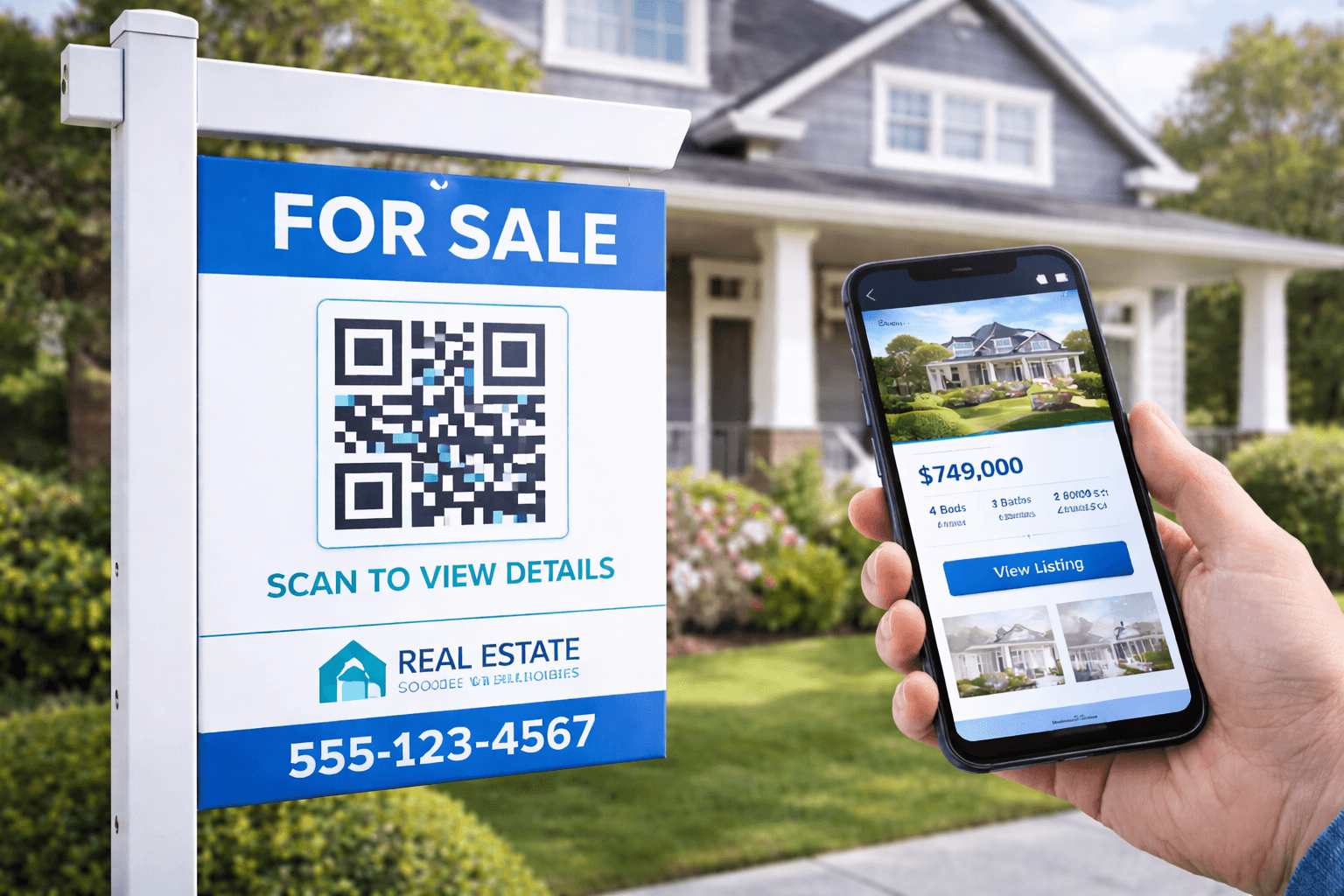
QR Codes for Real Estate: Modern Property Marketing
Transform your property marketing with QR codes. Cover yard signs, virtual tours, open houses, and lead generation strategies for real estate professionals.